
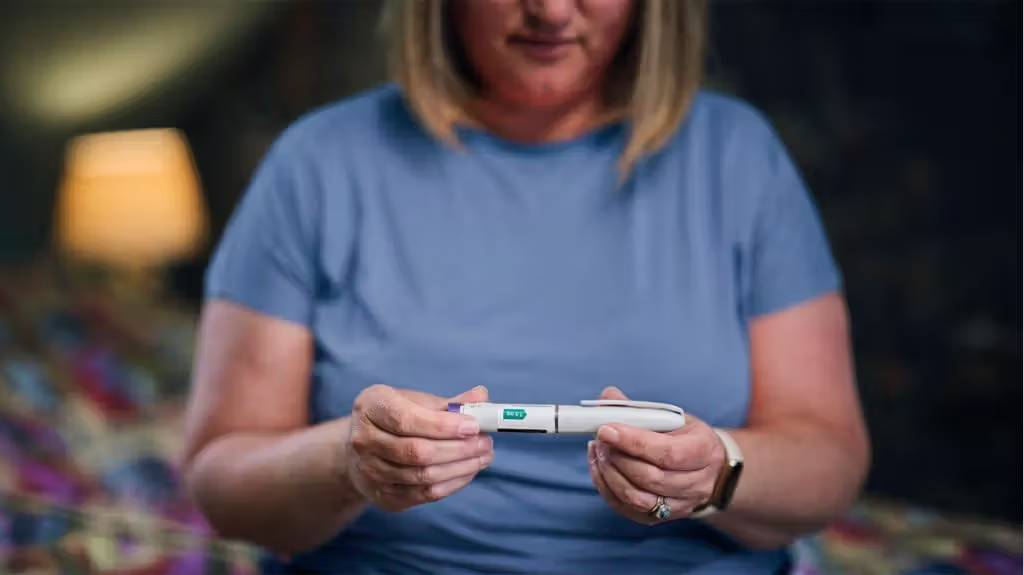
The usage of GLP-1 receptor agonists for weight loss, such as Zepbound and Wegovy, is increasing. According to recent polls, one out of every eight Americans is currently using a GLP-1 drug to help them lose weight or cure a chronic condition.
And, given the FDA’s recent approval of the Wegovy tablet for weight loss, researchers predict GLP-1 drug use to increase.
One possible disadvantage of GLP-1 drugs is that weight reduction involves not only fat loss but also muscle loss, with some studies indicating that approximately 30% of the weight loss from GLP-1s may be due to loss of lean mass, or muscle mass.
A new study published in the International Journal of ObesityTrusted Source discovered that, over time, the majority of weight loss following GLP-1 treatment was due to fat loss rather than muscle loss.
After 12 months, the loss of lean body mass is less than that of fat
For this investigation, researchers examined findings and data from 36 previous studies. The selected studies investigated the effects of GLP-1 and dual GLP-1/GIP agonists on weight loss and body composition changes in persons who were overweight or obese and may or may not have type 2 diabetes.
Scientists discovered that after taking the drugs for three months, participants lost approximately 9% of their baseline weight.
This weight loss includes significant reductions in visceral adipose tissue (or belly fat), fat body mass, waist circumference, and body mass index (BMI).
However, after three months, researchers detected just a minor reduction in lean body mass.
After 12 months of GLP-1 use, researchers found that subjects had significant reductions in visceral adipose tissue and fat body mass.
While there was some apparent lean body mass loss, experts discovered that it was quite small in comparison to the overall body mass decrease.
This is not the first study that has questioned GLP-1s with muscle loss
Mir Ali, MD, a bariatric surgeon and medical director of MemorialCare Surgical Weight Loss Center at Orange Coast Medical Center in Fountain Valley, CA, was interviewed by Medical News Today about this study.
Ali stated that the study’s findings are consistent with his therapeutic experiences
“Patients primarily lose fat when utilizing these drugs,” he stated.While muscle loss may occur, the majority of the weight loss is from fat.”
This is not the first study to suggest that the administration of GLP-1 medicines may result in less weight reduction than expected.
A study released in August 2025 discovered that lean muscle mass loss in a mouse model was smaller than earlier studies had recorded, and that a significant amount of the lean muscle mass drop originated from other tissues, such as the liver, rather than skeletal muscles.
Furthermore, study presented at the European Congress on Obesity (ECO 2025) found that persons taking GLP-1 medicines were able to maintain muscle while decreasing weight via strength training and eating enough protein.
More research on GLP-1s and body composition is crucial
MNT also spoke with Douglas R. Ewing, MD, FACS, DABOM, the medical director of the Center for Weight Loss and Metabolic Health at Hackensack University Medical Center in New Jersey, about the study.
Ewing stated that as a doctor who serves patients who may be on GLP-1 medications, his initial reaction to the study’s findings was one of cautious approval.
“It provides a thorough meta-analysis that verifies what many of us have been noticing in clinical practice: GLP-1 receptor agonists are helpful for weight loss and, significantly, this weight loss appears to be of ‘good quality,'” he said. “This suggests patients are losing more fat mass than lean body mass, which is an important determinant in long-term health.”
“Rapid weight loss can sometimes lead to sarcopenia, a disorder defined by the loss of muscle mass and function,” Ewing said. “Continued research can assist uncover measures to decrease this risk, particularly among vulnerable populations.”
“If a person loses a considerable amount of muscle while on a GLP-1 and then discontinues the medicine, they may be more prone to regaining weight, and this regained weight may be primarily fat,” Ewing stated.
How can one maintain muscle mass while using GLP-1 medication?
For readers who are taking or considering taking a GLP-1 prescription, Ewing provided these advice on how to maintain muscle while losing weight:
Prioritize protein: “Protein is the building block of muscle, so I recommend that patients consume at least 1.0-1.2 grams of protein per kilogram of their optimum body weight,” Ewing stated. Lean meats, fish, eggs, dairy, tofu, and legumes are excellent sources of protein.
Include resistance training: Ewing stated that this is not negotiable. “Strength training at least two to three times a week is critical for boosting muscle growth and maintaining lean body mass,” he said. “This can include lifting weights, utilizing resistance bands, or performing bodyweight workouts such as squats and lunges.”
Do not skip aerobic exercise: Ewing recommends at least 150 minutes of moderate-intensity aerobic activity each week, such as brisk walking. “This is not only important for cardiovascular health, but it also improves overall energy levels and can help you stay consistent with your workouts,” he added.
Get enough sleep: According to Ewing, quality sleep is necessary for muscle repair and growth.
Work with a team: “I advise my patients to collaborate with a registered dietitian to construct a personalized dietary plan and a physical therapist or certified trainer to develop a safe and effective exercise regimen,” Ewing said.